
How Accessibility Features Enhance Software Usability
In today's digital landscape, ensuring software is usable and accessible is more crucial than ever. With an increasing emphasis on inclusivity, many developers are integrating accessibility features into their software. These features not only help users with disabilities but can also enhance the overall usability for all users. This article explores how accessibility features contribute to better software usability.
Understanding the Basics of Accessibility
Accessibility in software refers to the design of products, devices, services, or environments for people with disabilities. According to the World Health Organization, over a billion people, or about 15% of the world's population, experience some form of disability. This statistic highlights the importance of accessible software design.
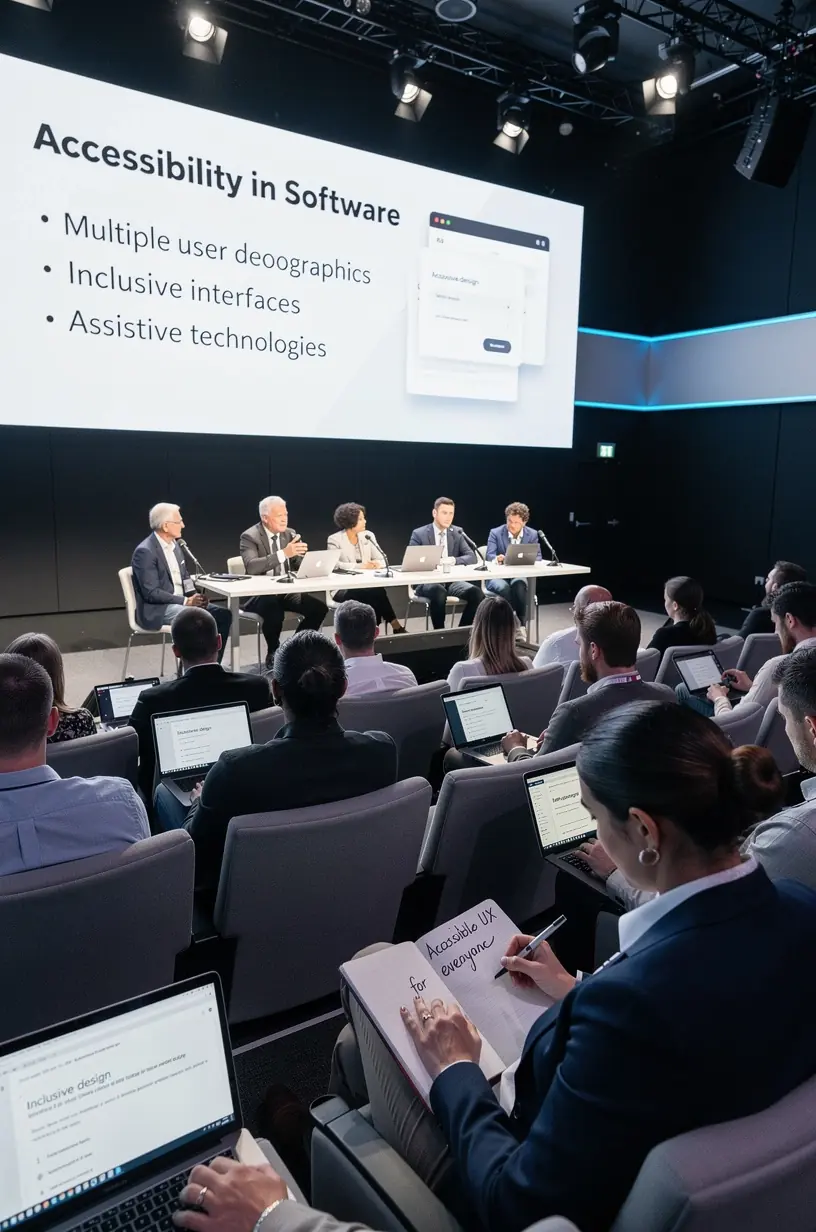
Research indicates that when software includes accessibility features, users often report a significantly improved experience. For instance, features like text-to-speech, screen magnification, and keyboard shortcuts cater not just to users with disabilities, but also to those who may require different modes of interaction, such as when multitasking or in noisy environments.
"Accessibility is not just about compliance; it's about providing a better experience for everyone." - Industry Expert
Key Accessibility Features and Their Impact
Several accessibility features can enhance the overall usability of software:
- Keyboard Accessibility: Allowing users to navigate software using a keyboard can significantly improve usability, especially for those who may have difficulty using a mouse. Studies suggest that many users prefer keyboard shortcuts for efficiency.
- Screen Readers: These tools read aloud the text on the screen. This functionality is crucial for visually impaired users and can also help individuals with learning disabilities. Research indicates that utilizing screen readers can help increase comprehension for many users.
- Customizable User Interfaces: Features that allow users to adjust font size, color contrasts, and layout can lead to a more personalized experience, accommodating individual preferences and needs.
The Process of Implementation
Implementing accessibility features in software typically involves collaboration between developers, designers, and users. Here’s a step-by-step outline of how to integrate these features:
- Conduct User Research: Engage with users of diverse abilities to understand their needs and preferences.
- Adopt Accessibility Standards: Follow guidelines such as the Web Content Accessibility Guidelines (WCAG), which provide a framework for making content more accessible.
- Test with Real Users: Incorporate feedback from users during testing phases to identify areas for improvement.
- Iterate and Improve: Software development is a continuous process. Regular updates based on user feedback can keep accessibility features aligned with user needs.
Challenges and Considerations
While integrating accessibility features has numerous benefits, it is essential to acknowledge potential challenges. For instance, adding these features may require additional development time, which can be a concern for project timelines. However, experts recommend that the initial investment in accessibility can lead to higher user satisfaction and retention in the long run.
Additionally, training team members on accessibility best practices can require an upfront commitment but is often worth the effort. Many organizations report that investing in training leads to significant improvements in product quality and user engagement.
Conclusion
In conclusion, incorporating accessibility features into software not only aids users with disabilities but also enhances usability for a broader audience. As more organizations recognize the importance of inclusive design, accessibility will play an ever-increasing role in software development. By understanding the benefits, challenges, and methodologies of implementing these features, developers and companies can create more effective, user-friendly products.
Learn More